
Which Roof Shape Is Right for Akron, NY Homes?
Both flat and sloped roofs have been used successfully across the region depending on the building’s style, the property owner’s preferences, and practical needs. For homes in Akron, NY, choosing between a flat and sloped roof comes down to specific climate challenges, maintenance expectations, budget, and the desired look of the property.
How Do Winter Conditions Affect Roof Choice?
Flat roofs can handle winter snow in Akron, but need special care.
Sloped roofs naturally shed snow and rain, which reduces the risk of leaks and structural problems.
Akron’s winters feature regular snowfall, freezing temperatures, and cycles of melting and refreezing. This creates challenges for any roof, but unique concerns for flat rooftops:
- Flat roofs collect snow, which can add heavy weight. Snowmelt must drain away through built-in systems rather than sliding off.
- Without proper insulation or ventilation, ice dams may form, causing hidden leaks or water intrusion.
- Sloped roofs allow gravity to work for the homeowner, moving snow or water down and off the structure.
Some building codes and insurance policies for the area may have stricter requirements for snow load and drainage on buildings with flat roofs. Homeowners who prefer the look of a flat roof must factor ongoing observation and prompt snow removal into property upkeep.
What About Rain, Wind, and Seasonal Storms?
Flat roofs require carefully maintained drainage to prevent pooling and leaks.
Sloped roofs, thanks to their angle, are generally better at directing water away from the home’s foundation.
Frequent rain, heavy spring downpours, and high winds affect rooftop performance. In flat roof designs:
- Water may pool on the surface, requiring tight membranes and regular gutter or scupper cleaning.
- Debris can block drains, so monitoring and clearing them is a seasonal task.
- Wind-driven rain may work under roof edges if flashing is not tight.
Sloped roofs let water and debris slide down more easily, but can also suffer if valleys and gutters are neglected. Shingles or tiles need regular checks to ensure none are missing after wind or hail.
Are Flat Roofs or Sloped Roofs Easier and Cheaper to Maintain?
Flat roofs are simpler to walk on, but may need more frequent close-up inspection.
Sloped roofs are usually lower-maintenance if the pitch is adequate and the surface is in sound condition.
Flat roofs:
- Easy to inspect up close for cracks or blisters
- Can be resurfaced or patched without climbing steep angles
- May require more frequent preventative maintenance
Sloped roofs:
- Harder to access for homeowners, usually requiring ladders or special equipment
- Repairs can be more challenging and are sometimes best handled by skilled installers, especially above one story
- Routine upkeep is typically limited to gutter cleaning and occasional shingle or flashing checks
Homes with older flat roofs in the region may need more frequent waterproofing or membrane replacements due to freeze-thaw damage.
How Do Roof Shapes Affect Usable Space and Energy Efficiency?
Flat roofs have the advantage of offering more usable space.
Sloped roofs often create attic spaces, aiding insulation and storage.
Flat roofs can be used as:
- Decks, green roofs, or patios in some newer builds
- Ideal platforms for solar panels, HVAC systems, or even small gardens
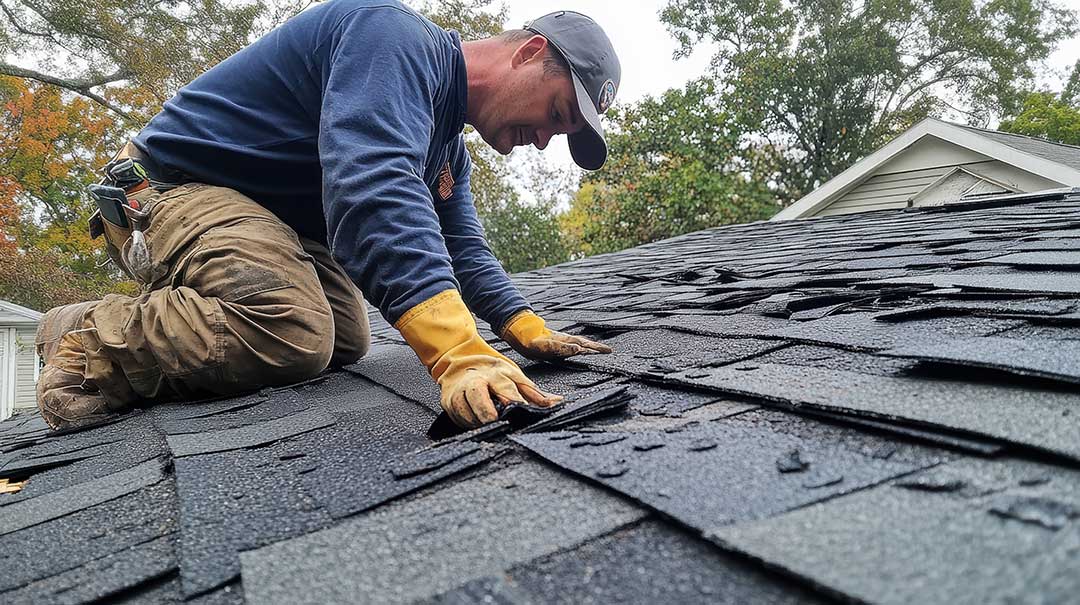
Sloped roofs may increase energy efficiency by creating an attic buffer between outside temperatures and living space. In many local homes, this makes heating and cooling more manageable year-round. Attic ventilation is a key detail in avoiding ice dams or heat loss during the cold season.
What Are the Aesthetic and Architectural Considerations?
Flat roofs tend to suit modern or mid-century properties, while sloped roofs are more common in traditional homes.
The choice often depends on neighborhood character and the style of older buildings.
In areas like Akron, established blocks have mostly sloped roofs—pitched with shingles or metal—so a flat roof can look distinctive but may not blend in. Homeowners restoring historic properties generally choose sloped roofs to respect original architecture.
Flat roofs allow for creative uses of roof space or unique lines, especially in new builds or additions, but can stand out in a largely traditional neighborhood.
What Are Common Misconceptions About Each Option?
Some believe flat roofs always leak or require constant repairs.
Others think sloped roofs need little to no care. In truth, either type needs thoughtful design and consistent maintenance.
Realities for flat roofs:
- Can last for decades if properly designed and maintained
- Membrane or rubber materials have improved weather resistance compared to older tar-based options
Realities for sloped roofs:
- Vulnerable to leaks around chimneys, valleys, or if shingles are missing
- Improper attic insulation or ventilation can cause just as many problems as surface issues
Are Certain Roof Types More Suitable for Additions or Outbuildings?
Flat roofs are often chosen for garages, sheds, and additions due to streamlined construction and functional space.
Sloped roofs are almost always used for matching major home additions, especially those visible from the street.
For smaller secondary structures or when maximizing space above is important, flat roofs provide flexibility. Matching the slope of the existing house is typically preferred to maintain a cohesive look and meet design guidelines for main residences.
Final Thoughts for Local Residents
Akron homeowners weighing these options must consider the local climate, level of year-round maintenance they prefer, and the architectural character of their home. Both roof types can perform well with thoughtful materials, design, and attention to seasonal needs. Regular inspection and timely upkeep are more important to roof life than the shape alone.
