
Are All Roof Issues Easy to Spot from the Ground?
Most serious roofing issues cannot be identified with a quick glance from the driveway. While missing shingles or obvious sagging may be visible, smaller leaks, soft spots, and areas with excess granule loss are often undetectable without a closer look.
Akron, NY experiences dramatic shifts in weather—from snowy winters to summer thunderstorms. This means local roofs face stresses that often cause hidden damage, especially around flashing, in attic spaces, and under overhanging branches. Sometimes, water infiltrates weeks before it’s apparent inside the home. Homeowners may mistake a dry ceiling for a healthy roof, even as hidden moisture accumulates and weakens structural components.
Does a Roof Last Its Full Advertised Lifespan No Matter What?
The typical asphalt shingle roof is marketed as lasting 20 to 30 years, but local conditions play a major role in actual longevity. The belief that a roof will automatically reach its maximum lifespan can lead to underestimating needed maintenance.
In the Akron region, roofs are subjected to ice dams, freeze-thaw cycles, heavy snow loads, and strong winds. These factors accelerate wear compared to milder climates. Blocked gutters, poor ventilation, or insulation issues can also reduce lifespan. Simple actions like clearing debris and checking venting make a noticeable difference over time. Even without visible leaks, periodic review helps catch trouble before repairs become major.
Is Re-Roofing Over Old Shingles a Safe Shortcut?
Layering new shingles over old ones is sometimes seen as a cost-saving solution. While allowed under certain codes, this practice comes with trade-offs.
In the city, older homes may already have multiple roof layers. Additional weight from another layer can strain rafters, especially under heavy snow. Covering defects rather than addressing them leads to concealed problems—such as trapped moisture, deck rot, or improper flashing alignment. These hidden issues often create costlier repairs later. Removing old materials before installing new roofing leads to better, longer-lasting protection for area residences.
Will Moss or Algae on Shingles Cause Immediate Harm?
Green stains on rooftops are common throughout Akron, thanks to humid summers and shaded areas beneath mature trees. Some residents worry that any moss or algae growth signals urgent trouble.
Moss and algae rarely cause severe damage overnight. However, moss holds moisture against the surface, encouraging decay of both shingles and wood decking given time. Algae is mostly a cosmetic issue, though it can hasten shingle aging if unchecked. Prompt, gentle cleaning and trimming overhanging branches will reduce regrowth. Don’t ignore these signs, but there’s usually time for a thoughtful response rather than emergency measures.
Do All Roof Leaks Mean Major Replacement Is Needed?
Discovering water inside the home is alarming, but not every leak demands a new roof. Small leaks often come from isolated problems such as cracked flashing, loose vents, or a handful of damaged shingles.
In older Akron neighborhoods, repairs may be enough for a roof that is otherwise sound. Persistent leaks, widespread curling or missing shingles, and visible rot do signal the need for more serious consideration. Routine inspections—especially after harsh winters or high winds—can distinguish between simple fixes and underlying widespread damage.
Is Ice Damming Always a Roofing Material Problem?
While it’s common to blame roofing for ice dams, these are usually insulation or ventilation concerns. Ice dams form as heat from inside the home melts rooftop snow, which then refreezes at the gutters and allows water to back up under shingles. This process has more to do with attic airflow, attic floor insulation, and ceiling airtightness than the shingles themselves.
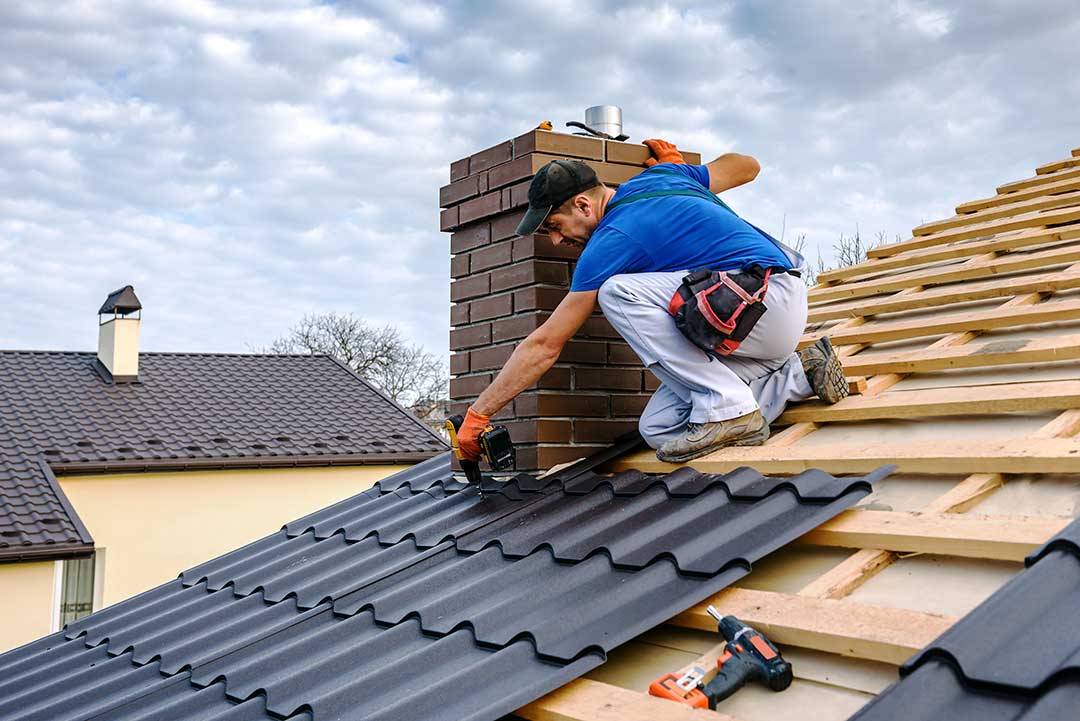
Homes in Akron that experience frequent ice damming would benefit most by looking at attic and eave conditions rather than assuming new materials will fix the issue. Adding insulation, sealing gaps, and ensuring baffles keep eave vents unobstructed often makes a bigger difference than replacing the entire roof surface.
Are DIY Roof Repairs Always Cheaper and Safe?
Accessing and repairing a roof, especially during cold, wet, or windy conditions, carries significant risk. While some residents successfully handle minor repairs such as resealing small gaps or replacing a shingle or two, the height and steepness of local roofs—combined with slick conditions—create real hazards.
In Akron, roofs with older construction may also hide brittle wood, surprise soft spots, or multiple layers, making falls and further damage more likely without experience. DIY patch jobs can also unintentionally void warranties, create pathways for leaks, or miss underlying rot. Weigh safety and the long-term costs before deciding to go it alone on the rooftop.
Should Gutters and Roofs Be Maintained Separately?
Many people view gutters as unrelated to the roofing system, but they play a crucial role in roof durability. Blocked gutters lead to standing water at the eaves. In freezing weather, this water can back up beneath the shingles and cause rot along the roof edge. Overflowing gutters also wash away landscaping and can erode the foundation.
Seasonal gutter cleaning, especially during the fall and spring when local trees drop leaves and seeds, helps protect roofs just as much as timely shingle repair. Coordination between gutter and roof maintenance saves headaches down the line.
Does Home Insurance Automatically Cover Roof Repairs?
Not all roof issues will be paid for by home insurance, even after a storm. In the city, policies often distinguish between “sudden, accidental damage” and “gradual wear and tear.” Insurance may cover problems from sudden wind or hail, but not deterioration from age, moss buildup, or neglected maintenance.
Residents should review coverage documents carefully and conduct routine upkeep to avoid claim denials. Insurers expect homeowners to make reasonable efforts to keep roofs in good condition, especially with the variable weather experienced throughout the year.
