
How Does Sun Exposure Change Roof Longevity?
Direct sunlight is a constant presence for roofs in Akron, NY, gradually altering their condition over time. Prolonged UV and heat exposure accelerates the natural aging process, which can shorten the effective lifespan of roofing materials.
In the local climate, roofs typically endure frequent sunlight from spring through fall, even though winters are cloudy. UV rays weaken materials by breaking down their chemical structure, causing surfaces to become brittle or faded. For asphalt shingles, this often results in the loss of granules, curling, or cracking earlier than expected.
Roofs on south-facing slopes or those with little shade will generally show these signs of wear faster than those partially protected by mature trees or nearby buildings. Over a decade or more, even a high-quality roof exposed to Akron’s full seasonal sunlight can lose several years of useful life compared to more shaded installations.
Why Do Shingles Fade or Discolor Over Time?
Shingle fading is caused mainly by sunlight exposure, specifically ultraviolet (UV) radiation. UV rays degrade the outer layer of most roofing materials, causing colors to lighten or become patchy. In Akron, NY, this process is gradual but steady through every summer.
Fading or discoloration is largely a cosmetic issue, but it can sometimes signal deeper problems if the sun has also damaged the protective granule layer. Residents sometimes worry they’ve made a mistake choosing a certain color, but this change happens with all shades—darker colors just show it sooner. It’s normal to see roof sections on the sunny side look different from those that get more shade.
How Does Sun-Related Heat Impact Roof Structure?
Sun doesn’t only bring UV radiation; it delivers substantial heat, especially during late spring and summer in Akron. This heat causes roofing materials to expand and contract daily, stressing seams and fasteners. Over several years, this cycle can widen small gaps, causing potential leaks or allowing wind-driven rain to intrude more easily.
For attics, excessive heat from above can raise indoor temperatures, push cooling costs higher, and speed up the aging of roof decking and insulation, particularly if the roof isn’t well-ventilated.
Are Some Roof Types More Sun-Resistant Than Others?
Yes—different roofing materials react uniquely to long-term sun exposure. For Akron’s four-season climate:
- Asphalt shingles are susceptible to UV and heat, leading to faster granule loss and brittleness.
- Metal roofing generally resists UV degradation but can still expand and contract with temperature swings, stressing fasteners and seams.
- Slate and clay tiles hold up well under sunlight, rarely fading or degrading, though they can shift in extreme conditions if not properly installed.
- Composite or synthetic roofs often have built-in UV stabilizers, but quality and performance vary by manufacturer.
Local residents with lighter-colored roofing may see slightly slower sun-related damage than those with darker shades, as lighter colors reflect more sunlight.
Can Trees or Nearby Buildings Help Protect My Roof from Sun Damage?
Shade from trees or buildings can lessen the amount of direct sunlight that reaches a roof. In established Akron neighborhoods where mature trees line the streets, shaded portions of a roof will often look newer and retain more granules for longer.
However, tree coverage comes with its own trade-offs, including increased risk of branches falling, additional debris, and the potential for moss or algae growth in shaded, damp areas. Thoughtful pruning helps balance shade benefits with the need for airflow and rooftop cleanliness.
How Can Homeowners Tell if Sun Exposure is Causing Roof Problems?
Signs of sun-related roof issues in Akron include:
- Granule loss, seen as shiny or bald spots on asphalt shingles or excessive granules in gutter runoff
- Curling, cracking, or blistering of shingle tabs in areas getting the most sun
- Noticeable color differences between shaded and unshaded sections
- Discoloration that appears suddenly after an extended hot spell, but not after rain
- Higher attic temperatures in mid-summer compared to past years
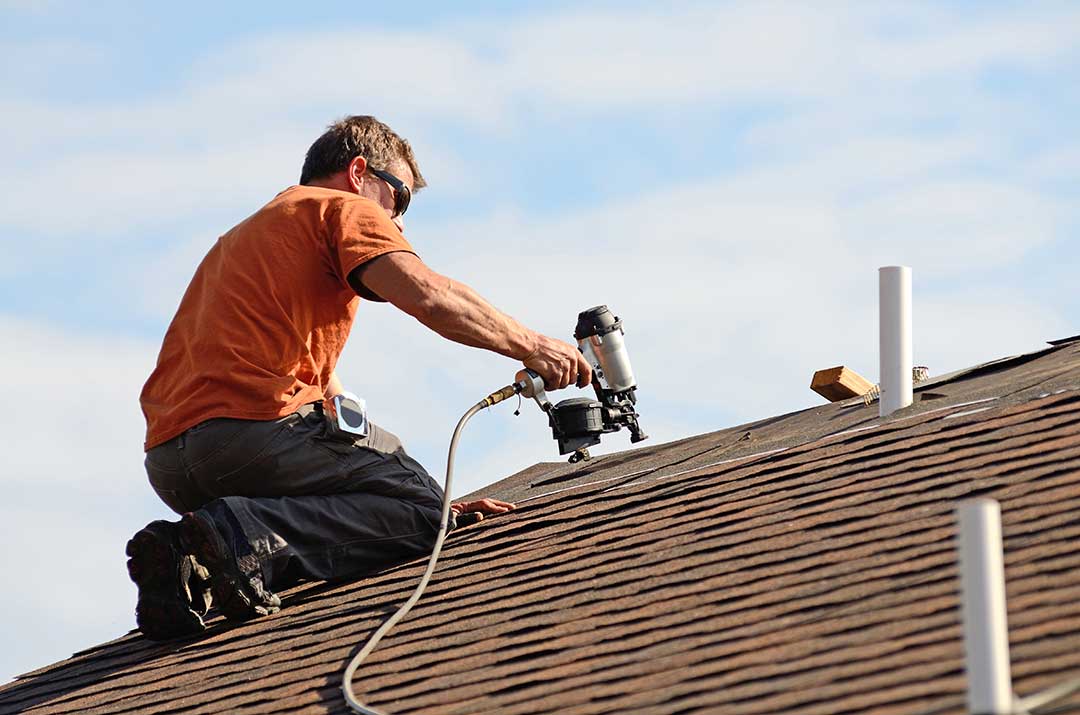
While many sun-related changes are gradual, a dramatic increase in any of these symptoms can signal a need for closer inspection.
What Steps Can Be Taken to Slow Sun-Related Wear in Akron, NY?
While sunlight exposure can’t be avoided, a few local practices help Akron residents limit its impact:
- Maintain a clear, well-ventilated attic to help manage roof and internal temperatures
- Periodically check for signs of wear on the sunniest roof sections, especially after summer heat waves
- Use quality roofing with UV-resistant additives if re-roofing becomes necessary
- Prune trees carefully to maximize filtered sunlight while protecting vulnerable roof edges
- Remove moss, algae, and debris regularly, especially from shaded or damp areas
- Address small cracks or missing granules before more extensive weathering takes place
Routine visual checks each spring and fall can help catch early signs of UV and heat damage, supporting more informed decisions about roof care and future replacement.
