
Why Is Removing Roof Debris Important in Akron, NY?
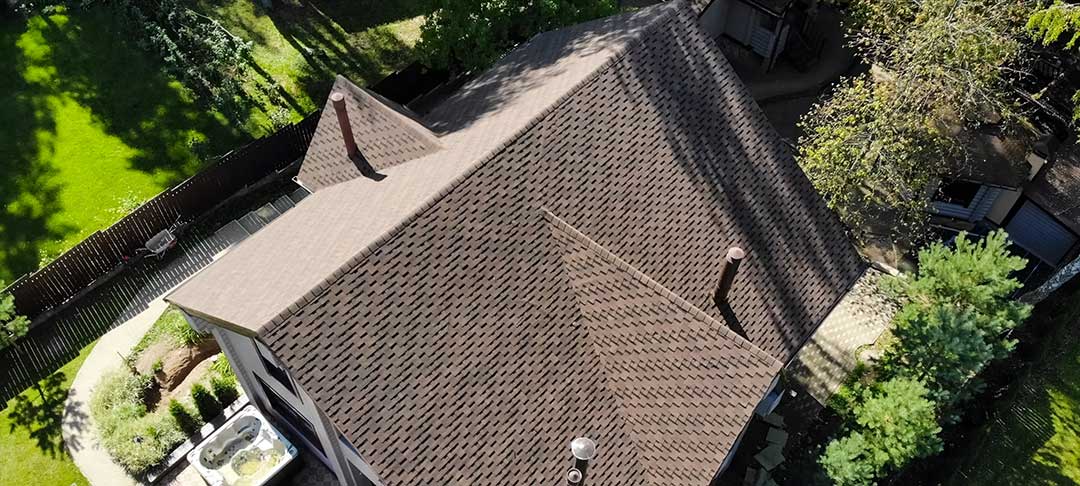
Keeping your roof clear matters for every season in Akron, NY due to frequent snowfall, heavy spring rains, and fall leaf drops. Debris like leaves, twigs, pine needles, seed pods, and small branches can trap moisture against shingles. This can lead to premature aging of roofing material, promote moss or algae growth, clog gutters, and increase the risk of ice dams and leaks in the colder months. For area households, regularly removing debris is a simple step that helps preserve roof life and prevent avoidable repairs.
What Types of Debris Typically Collect on Roofs in This Area?
Most roofs in the city collect:
- Leaves and small branches from maple, oak, and other mature trees common in neighborhood yards
- Pine needles, especially near wooded areas or scattered conifers
- Helicopter seeds and acorns in spring and fall
- Blown debris after windstorms or following springtime thaws
- Algae, moss, or lichen in shaded or damp spots
These materials can pile up in roof valleys, behind chimneys, and near gutter lines, where they hold moisture longer.
When Is the Best Time to Remove Debris from Your Roof?
A direct answer: Early spring and late autumn are the most critical times for roof cleaning in the community. After leaves drop in late November and before winter sets in, clear your roof to reduce ice dam risks. In spring, clean up after thaw-melt and windstorms, checking for new buildup. Summer is a good time for a quick sweep if you notice visible accumulations after storms.
Avoid attempting this task if the roof is icy, wet, or has visible snow cover. Wait for a dry, mild day to ensure safe footing and less risk of further damage.
What Equipment Do Local Residents Need for Safe Debris Removal?
Most Akron homeowners can manage routine debris clearing with a few basic items:
- A sturdy, adjustable ladder that reaches the roofline
- A soft-bristled roof brush or handheld leaf blower (corded or cordless)
- Thick gloves to protect hands from sharp twigs and roofing material
- Safety shoes with grippy soles or slip-resistant boots
- Protective eyewear
- For steeper roofs, a roof safety harness provides added protection
Never use power washers, abrasive brooms, or metal rakes—these can loosen or damage shingles, especially older ones.
How Can You Remove Debris Safely Without Damaging Shingles?
Start with the least invasive method:
1. Begin on the ground: Use a telescoping roof rake for single-story homes to knock off loose leaves and sticks.
2. Move debris downward: Always clean from the ridge (peak) down toward the gutters, gently sweeping or blowing debris in the direction of the roof’s slope.
3. Avoid scraping: Do not try to pry or dig out stuck debris—moist bits often loosen with gentle pressure or after a dry stretch.
4. Use your hands (with gloves) for moss mounds or chunky branches, avoiding any force that might dislodge shingles.
5. After major storms or if debris is wet, allow time for the roof to dry before climbing up.
If using a leaf blower, keep it on a lower setting and never aim directly under shingles. Prioritize balance and avoid overreaching from ladders.
Are There Hazards to Watch For During This Task?
Roof cleaning can pose risks. Take these precautions seriously:
- Never stand on a roof with a pitch steeper than you can walk comfortably
- Avoid cleaning alone—have someone nearby on the ground for safety
- Don’t attempt debris removal during high winds, rain, or frost
- Watch for unseen hazards, such as skylights, weak/degraded shingles, or areas of previous water damage that may not support weight
For several-story homes or uniquely steep roofs, consider using a roof rake from the ground rather than climbing. If you notice signs of roof or gutter damage, sagging, or large amounts of algae, consult building codes or local housing resources before proceeding.
What Happens If Debris Is Left On the Roof in Akron’s Climate?
Leaving material to accumulate brings local-specific problems:
- Damp debris keeps shingles wet, encouraging algae or moss that shortens roof life
- Heavy winter snowfall, paired with old leaves, can block proper drainage—leading to ice dams and gutter overflow
- Pests like squirrels and insects may nest in damp roof matter, causing further damage or entry points
- Gutters filled with debris contribute to basement leaks and foundation erosion during spring melt
Many issues are preventable with regular, gentle clearing throughout the year.
Can You Prevent Debris Buildup in the First Place?
Minimizing future debris is possible but not always foolproof:
- Trim tree limbs away from the roof edge, especially mature oaks and maples
- Install gutter screens or covers to catch leaves while allowing water to flow
- Clear fallen material off flat roof sections right after windstorms
- Maintain surrounding landscaping to reduce source material
Understand that even with prevention, annual cleaning is usually needed in tree-filled neighborhoods.
What Are Common Misconceptions About Roof Debris Removal?
Some residents assume quick fixes are best, but there are pitfalls to avoid:
- Using high-pressure water or harsh brushes does more harm than good
- Leaving debris until warmer weather can worsen existing moisture and freeze issues
- Assuming moss or lichen is purely cosmetic—these organisms hold water and can damage shingles
A gentle, consistent approach paired with visual inspection is best for long-term roof health in Akron.
